In the frantic world of B2B eCommerce and distribution, precision and efficiency are essential to maintaining a competitive edge. Distributors are continually faced with the challenge of processing orders in a timely manner and manage huge inventories. They also need to ensure that products arrive accurately and on-time. The demand for modern technological solutions has never been higher, especially with the increasing expectations of customers as well as competitors. This is where order management software and a warehouse inventory management system are essential, transforming the way distributors handle their day-to-day business.
Order Management Software for Distributors: Highly Effective!
The ability to effectively manage orders is at the heart of every distribution company. Order management software streamlines the process which otherwise would need many manual tasks. In the past distributors used spreadsheets or manual entry to assist in monitoring inventory, orders, and shipments. It was not just slow, but also vulnerable to mistakes. This approach is no longer viable with the advent of technology.
Order management software enables distributors to manage orders in just a few mouse clicks. This lowers the possibility of errors and speed up the process. The software can manage multiple orders at the same time as well as track each order from the moment it’s placed until the time it’s delivered and provides customers with real-time information. In addition, it can be integrated with other systems, such as warehouse platforms and shipping platforms for even more efficient operations.
Order management software also helps improve relationships with customers by increasing accuracy and transparency. Distributors are able to provide precise information regarding delivery times along with stock levels and availability. This builds trust with customers and ensures that they come back. This technology enables field sales representatives to place more orders faster and generate more revenue while also ensuring satisfaction of customers.
Streamlining Operations with Warehouse Inventory Management Systems
The effectiveness of inventory management systems for warehouses is equally important for distributors. The management of a large inventory can be an overwhelming job, especially when you’re dealing with fluctuating inventory levels and demand-driven items. A warehouse inventory management system automates processes like stock tracking, order pick-up and restocking. This ensures that every product is accurately tracked, and orders are filled.
A warehouse inventory management software offers real-time visibility of inventory. This feature lets distributors know what they’re carrying at any point. It eliminates the possibility that they will oversell or stock-outs. Distributors can make better decision by having a clear picture of their inventory. This helps them control backorders and maximize warehouse space.
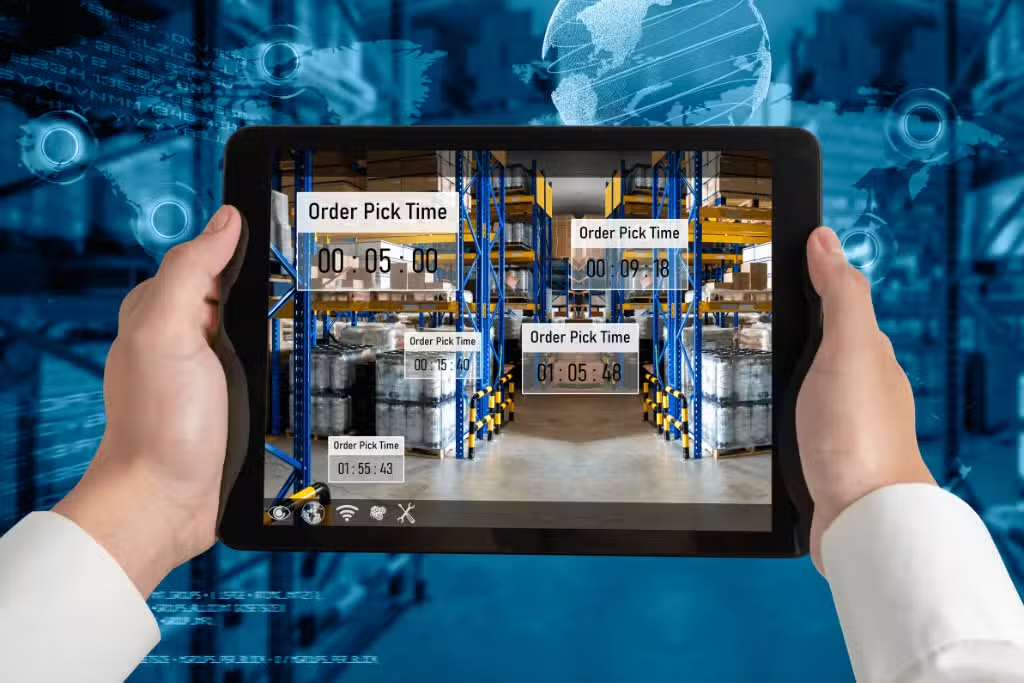
The process of picking orders is made quicker and more accurate by the automated systems for managing inventory. The past was when warehouse personnel manually picked items based off paper orders. This can lead to delays and errors. Automated picking workflows allow employees can locate items through real-time data, ensuring that orders are completed accurately and efficiently. This is not just time-saving but also lowers the cost that are associated with delayed or incorrect shipping.
The Role of B2B eCommerce in the Age of Modern Distribution
As eCommerce is continuing to rule the distribution and retail market, B2B eCommerce is rapidly developing to meet the distinct requirements of distributors as well as their customers. B2B transactions in the past were managed by phone calls or email. The manual purchase order is not an option anymore. B2B eCommerce platforms enable distributors to provide their clients with an easy, self-service experience that boosts efficiency and reduces expenses.
With integrated inventory and order management software, B2B eCommerce platforms enable businesses to provide real-time availability of products, accurate pricing, and instant order processing. Customers can look through distributors’ catalog, check the status of their stock, and make orders through the platform, decreasing the need for manual intervention, and enhancing the overall experience for customers.
For distributors, B2B eCommerce platforms not only increase efficiency but also enhance data accuracy and scalability. The automated handling of routine tasks such as ordering and managing stock makes it possible for businesses to handle higher order volumes without increasing the cost of labor. B2B eCommerce also allows distributors to reach clients in other regions or even internationally.
Conclusion The Future of Distribution is Digital
Leveraging technology in the world of distribution isn’t an option but rather essential. Distributors can boost their efficiency and satisfaction with customers through the use of warehouse inventory management and order management software. When combined with a B2B eCommerce platform they allow companies to remain on top of the market and provide the tools to grow and succeed.
The days of manually processing orders and tracking inventory are gone. Distributors who adopt these technologies are not just gaining an advantage over competitors but also increase efficiency. As the expectations of customers continue increase, the ability to complete orders in a matter of minutes and to provide real-time inventory information is essential to thrive in the age of digital distribution.