The majority of homeowners don’t realize the threat forming inside their walls until it’s too late. A slight water mark on the ceiling, a thin spot on the wall or that subtle musty smell after a heavy rainstorm are all signs of a problem quietly growing in the darkness. What begins as moisture soon turns into wet drywall, which is a perfect canvas for mold and bacteria to flourish. SGP Drywall, a Mold Remediation specialist, is on hand to fix the damage and protect your home.
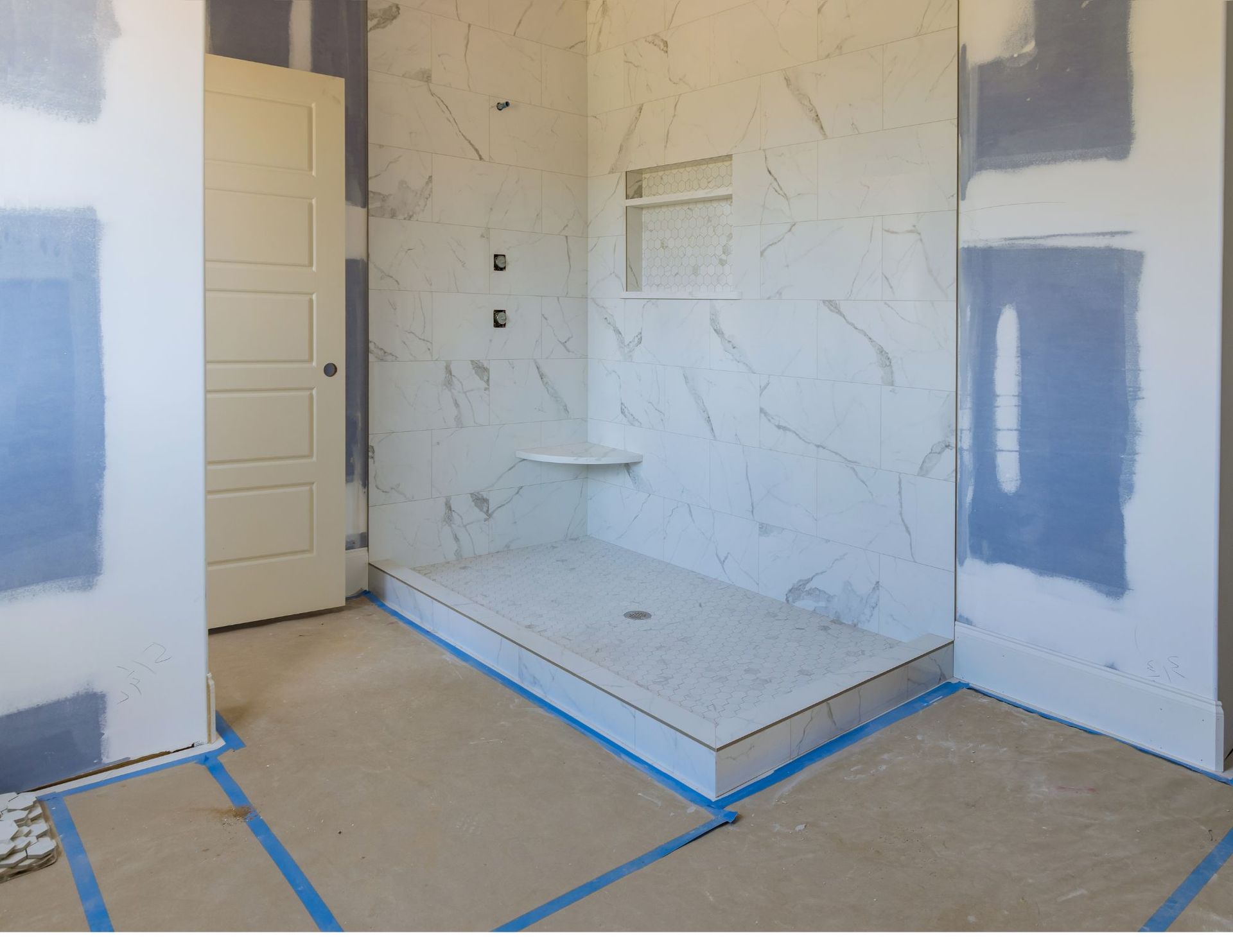
Invisible threats lurking behind your walls
It’s more than the visible part. Water damage can be hidden behind paint, in insulation, or under floors. In this humid environment the mold spores begin grow. They feed on cellulose the primary ingredient of drywall and begin multiplying rapidly. In just 48 hours, a seemingly innocuous leak could be an enigma for your family as well as your home.
The act of ignoring water remediation is the same as ignoring smoke coming from a hidden fireplace. The more it spreads, the longer you do not treat it. The mold begins to grow and the wall becomes less rigid, and wood studs begin decay. Before you even notice the appearance of discoloration or a foul stink, the harm has already completed.
What is the science behind True Remediation?
Many homeowners believe they can get rid of the water damage using a small fan and some paint. The quick fix is temporary solution that hides the issue, but and not a solution that lasts. Professional remediation requires science and not the whims of a person. When a certified Mold Remediation company arrives, they use thermal imaging cameras as well as moisture meters to trace every hidden pocket of dampness.
When the moisture map has been discovered, the team will begin the delicate process of water damage repair. After the removal of drywall or structural wood, as well as insulation The wood is then dried, and then treated by antimicrobial agents and dehumidifiers made of industrial grade are employed to eliminate any remaining moisture. Before reconstruction can begin, every surface is checked, cleaned and sealed to ensure safety.
This meticulous process ensures the problem doesn’t come back. Because mold, once encased into the drywall has a memory that grows when even the smallest trace remains.
Rebuilding stronger: The role of reconstruction following water damage
Following remediation Following remediation, the next step is water damage reconstruction, in which craftsmanship meets security. This isn’t just about fixing holes, but it’s also about creating a more efficient reconstruction. Professionals repair drywall that has been wet by using water-resistant panels that are designed to resist the possibility of leaks in the future. Joints are sealed with specialized primers that block bacteria from penetrating the surface and re-invading the surface.
Contractors often advise the use of high-tech waterproofing products for high-risk areas like bathrooms, basements and kitchens to ensure longevity of protection. The process of reconstruction doesn’t only make up for what was lost, it enhances your home’s resiliency.
Why professional help is non-negotiable
The temptation to delay repairs is as deceptive as water damage. Some homeowners believe that the wall will be dry on its own and they can wait a couple of days. But behind the scenes, moisture is already producing microscopic mold spores. The cost of remediation can be tripled or even double by the time symptoms are apparent.
A certified mold remediation company understands that every hour counts. They want to stop the spread of bacteria and fungi, eliminate the source and then restore the property. They are also skilled in handling mold in a safe manner. Mold that is dealt with in the absence of proper equipment could result in harmful spores being released into the air. This can lead to more contamination.
The Water Lesson is taught to every homeowner.
Water teaches an important lesson: delay can have its consequences. One leak left unattended for up to a week can cause a wall to decay. Being aware is the first step. Knowing the right steps to take and when to take action and the best way to stop future problems will help protect your home as well as your health and your life.
Regularly check-ups are recommended. Seal plumbing joints. Keep an eye out for unusual smells or wall texture changes. If water does find its way into your home, speed, precision and understanding are the most crucial factors.
The Last words on Restoration
The aim of true restoration isn’t just to repair your home to the way it was instead of making it more effectively. No matter what the issue is, whether it’s wet drywall or the growth of mold at a massive scale, the best remediation team will bring back more than only the structure. They bring back safety, comfort, and tranquility.
It is time to let the experts speak even when the water has gone silent. Because when it is handled correctly the home doesn’t only get better, it gets stronger than it ever was.